
back to blog
Surge Protection Explained: What Actually Protects Your Home (and What Doesn’t)
Electrical surges may happen in your home on occasion. This surge of electricity can reach any plugged in devices and cause damage. One way to protect your North Carolina home and the appliances within it from electrical surges is by using surge protectors. Surge protectors create a barrier that ensures your electronic devices remain safe. Here is some insight on what type of surge protection works, what doesn’t, and how to choose the right option.
What is an Electrical Surge?
An electrical surge in your home is a temporary, sudden increase that occurs in the voltage. The increased electricity goes through the wires attached to your various household devices and can cause damage to one or more appliances. Therefore, it’s important to have surge protection safeguards in place should this unexpected surge of electricity occur.
What Surge Protection Works?
Two types of surge protectors provide your appliances and electrical devices with the proper protection in the case of an electrical surge. These types include whole-home surge protectors and point-of-use surge protectors. Whole-home surge protectors are installed at the electrical panel and protect appliances and electrical devices in your house by preventing the surge from ever making it to the home wiring. Point-of-use surge protectors are plug-in strips or wall mounts that protect individual electronic devices. These should be used alongside the whole-home surge protectors. When choosing a surge protector, you should use one that has a UL 1449 listing, a high surge current rating, a lower clamping voltage, and indicator lights.
What Surge Protection Doesn’t Work?
There are certain situations where you wouldn’t want to use a surge protector as it doesn’t work. Some instances where surge protection doesn’t work include ungrounded outlets, old surge protectors, appliances that have high wattages, and for products that don’t have UL or ETL certifications. Therefore, it’s important to keep these factors in mind when setting up surge protectors.
How to Choose the Best Surge Protector
When deciding which surge protector option to choose for your Charlotte, NC, or Lake Norman, NC, home, you can consider a few factors. Decide if you want the surge protector to protect all outlets throughout the home or just focus on a few specific outlets. Also, you should consider cost factors as whole-home surge protectors are much more expensive than individual point-of-use surge protectors. In addition, decide what appliances or electrical devices you want to protect with the surge protector and choose a product that will fully protect your items.
NuBlue Offers Whole-Home Surge Protection Options
When the time comes to choose a surge protector and you want to add a whole-home surge protector to your house, NuBlue in North Carolina can help. If you want to ensure an electrical surge won’t happen within your Fayetteville or Greenville, NC, home, you can add a whole-house surge protector to it. When you add this protective item to your home, you can rest easy knowing that your appliances and electronic devices attached to all outlets are safe from damage due to a potential electrical surge.
Find out more about how a whole-home surge protector can keep the electricity flowing in your home and prevent damage to any and all items attached to the outlets by contacting the NuBlue team!
 take the difficulty out of financing when you work with NuBlue & our preferred partners
GET FINANCING
take the difficulty out of financing when you work with NuBlue & our preferred partners
GET FINANCING
Contact Us Today
Don’t Wait Until It’s Too Late
Contact NuBlue today for all your home service needs
Why Choose NuBlue?
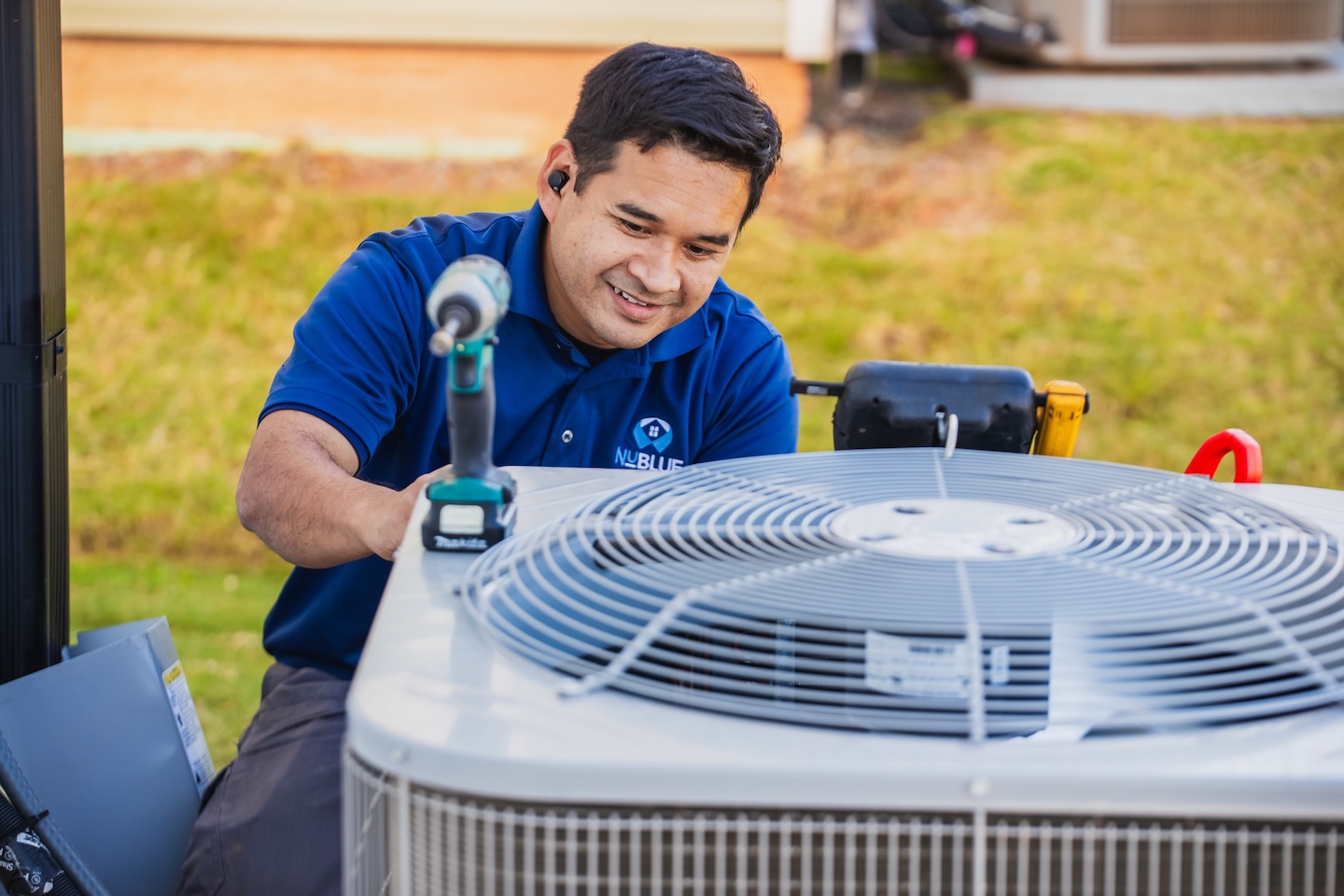
North Carolina’s Go-To Electrical, Plumbing & HVAC Company
When you call NuBlue, you can rely on:
- Same-day services
- Licensed and insured
- Trip charge applied to service
- Upfront pricing
- Background checked technicians
- Financing options
- Military/veteran/senior discounts